

Brooklyn Rental Agent for Landlords
Pricing, presentation, and careful screening for Brooklyn property owners
Renting Your Brooklyn Property
Renting out a Brooklyn apartment or townhouse is not simply about finding a tenant. It is about pricing the unit for the season and the block, presenting it so the right applicants show up first, screening them within the rules New York City actually enforces, and placing someone you will be glad to have in your property a year from now.
I have leased more than 100 apartments across Park Slope, Prospect Heights, Crown Heights, Carroll Gardens, Cobble Hill, Windsor Terrace, and the surrounding Brownstone Brooklyn neighborhoods. Condos, co-op sublets, full townhouses, garden duplexes, and units in two- and three-family houses where the owner lives upstairs. Some of these relationships have lasted a decade. One Park Slope landlord has worked with me for ten years across four different tenants. Another owner moved to Chicago and relies on me to find tenants, manage every move-in and move-out, and handle whatever comes up in between.
Pricing: Read the Season, Then the Block
Brooklyn rents move on a calendar. They climb from March through May, peak in July and August, and bottom out between December and February. The same apartment listed in January and in June is competing in two different markets, and the asking rent should reflect that.
They also move fast, and not in step from one neighborhood to the next. According to MNS rental data, the average Park Slope two-bedroom rented for $4,740 in March 2026 and $5,509 in May, a jump of nearly $800 a month in eight weeks. By September it was back to $5,032, about where it stood a year earlier. Crown Heights went the other way, with average rents up 11% year over year. An owner pricing off last year’s lease, or off a borough-wide average, is either sitting vacant or leaving money on the table.
Getting the number right means reading current comparable listings, recent leases, and how renters in this specific neighborhood are behaving right now. Overpricing extends vacancy. Underpricing costs money that cannot be recovered for the length of the lease.
Presentation: Three Days, Multiple Applications
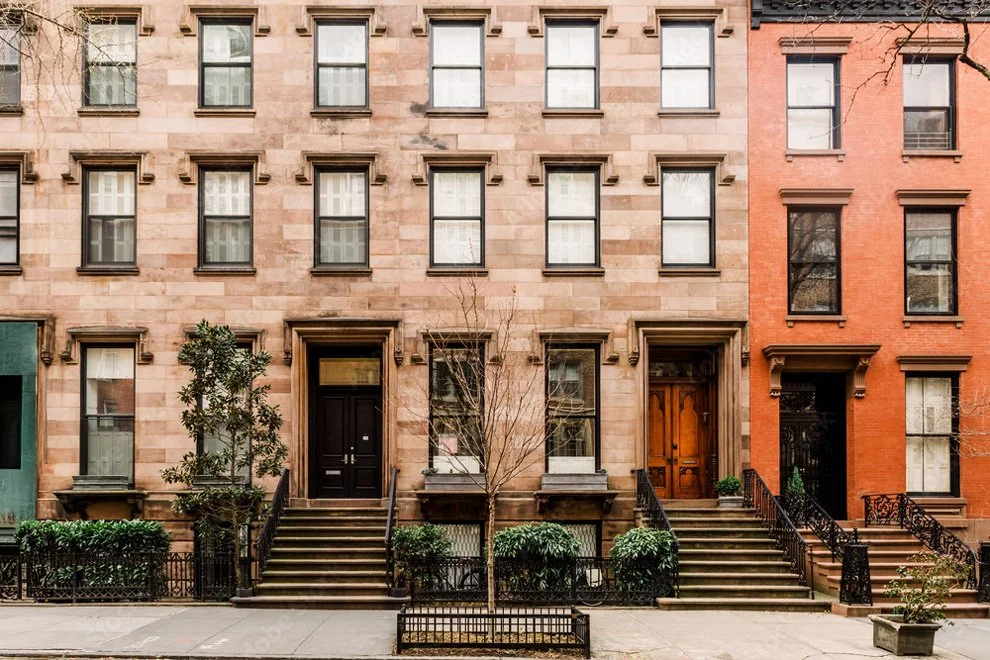
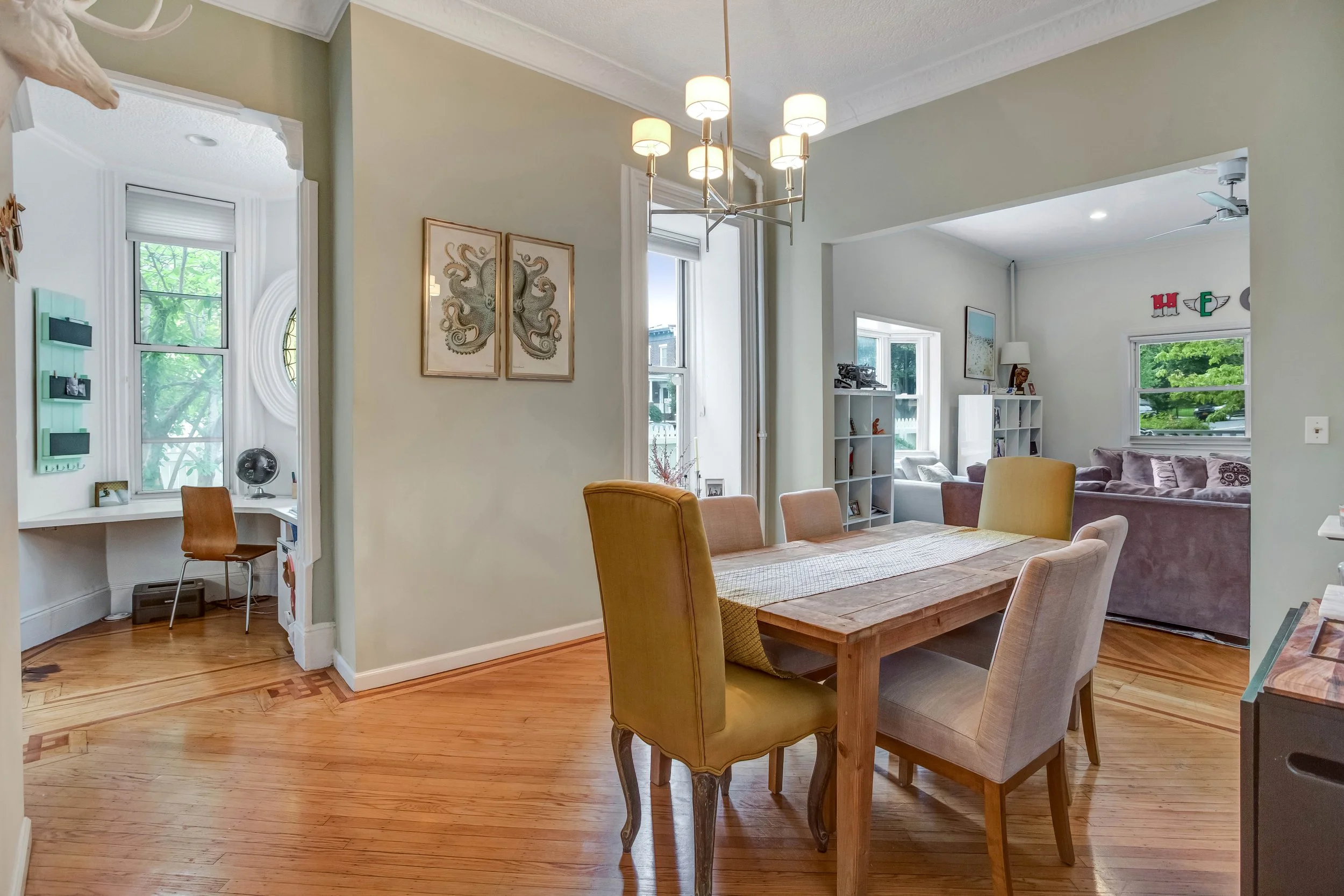
Renters decide from the listing photos whether a showing is worth their time. A well-photographed, clearly described apartment draws more inquiries, better applicants, and a faster lease at every price point.
I treat rental listings with the same attention as sales listings: professional photography, an accurate floor plan, a description that answers the questions renters actually ask, and marketing through the MLS and major rental platforms. When the price and presentation are right, the market responds quickly. A Prospect Heights duplex I listed drew multiple applications within three days and leased for $7,500 a month, above the asking rent.
Screening: Thorough, and Within the Law
The right tenant is worth more than an extra hundred dollars a month. A tenant who pays on time, respects the property, and communicates clearly makes the next year easy. The wrong one makes it expensive.
I manage inquiries, coordinate showings, collect applications, and review each applicant’s employment, income, credit, and references before presenting candidates to you. Most Brooklyn landlords look for annual income of about 40 times the monthly rent, or a guarantor earning about 80 times.
New York City also sets firm limits on how screening can be done, and owners who manage it themselves often learn this the hard way:
Application fees for background and credit checks are capped at $20.
Security deposits are capped at one month’s rent.
Under the Fair Chance Housing Act, in effect since January 2025, most landlords cannot ask about criminal history until after a conditional offer, and even then only certain recent convictions can be considered.
Landlords cannot turn down an applicant because their rent is paid with a housing voucher or other lawful source of income.
I run every application within these rules, so you get a qualified tenant without the exposure.
The FARE Act: What Changed for Landlords
Under the FARE Act, in effect in New York City since June 2025, whoever hires the broker pays the broker. When a landlord hires an agent to market and lease an apartment, the landlord pays the fee, and tenants can no longer be charged one. Listings must also disclose every fee a tenant will pay.
This changes the cost structure but not the value equation. A qualified tenant placed in ten days costs far less than a vacancy that drags into a second month while an owner tries to rent the unit alone. I wrote about how the first year of the FARE Act actually played out for landlords and tenants.
For Out-of-Town Owners
Several of my longest landlord relationships are with owners who do not live in Brooklyn. They rely on me not just to find tenants but to be present when they cannot be: coordinating move-ins and move-outs, handling repairs when something comes up, and making the judgment calls that keep a tenancy running smoothly. As one of them put it, “Craig is a lot more than just an agent.”
If you own a Brooklyn property and live elsewhere, I am glad to talk through what that kind of relationship looks like.
Common Questions
Who pays the broker fee when renting in Brooklyn?
Under the FARE Act, in effect in New York City since June 2025, whoever hires the broker pays the broker. When a landlord hires an agent to market and lease an apartment, the landlord pays the fee, and the tenant cannot be charged one. The fee is agreed on before the listing goes live.
How much rent can I charge in Brooklyn?
It depends on the neighborhood, the unit, and the season. Rents climb from March through May, peak in July and August, and dip from December through February. The swings are real: according to MNS, the average Park Slope two-bedroom rented for $4,740 in March 2026, $5,509 in May, and $5,032 in September. The right number comes from current comparable listings and recent leases on your blocks, not borough averages.
How long does it take to rent an apartment in Brooklyn?
A well-priced, desirable apartment should rent within 10 days. A Prospect Heights duplex I listed drew multiple applications in three days and leased above the asking rent. Units that sit longer are almost always priced above the market or are not being presented well.
What can a landlord ask for when screening tenants in New York City?
Landlords can verify employment, income, credit, and references. Most look for annual income of about 40 times the monthly rent, or a guarantor earning about 80 times. Application fees for background and credit checks are capped at $20, security deposits are capped at one month’s rent, and the Fair Chance Housing Act limits when and how criminal history can be considered. Applicants cannot be rejected for paying rent with a housing voucher.
What does a rental agent do for a Brooklyn landlord?
I price the unit, prepare the listing with professional photography and a floor plan, market it through the MLS and major rental platforms, handle inquiries and showings, screen applicants, and coordinate the lease through signing. For owners who live out of town, I also coordinate move-ins, move-outs, and issues that come up during the tenancy.
Can I rent out my Brooklyn property if I live out of town?
Yes. Several of my longest landlord relationships are with owners who live elsewhere, including one who has relied on me from Chicago for years. A local agent can find the tenant and also be present when you cannot be, from move-in through move-out.
Work With Craig
I have leased more than 100 apartments across Brownstone Brooklyn. If you are thinking about renting your property, I am glad to talk through pricing, timing, and what the process actually looks like right now.
