
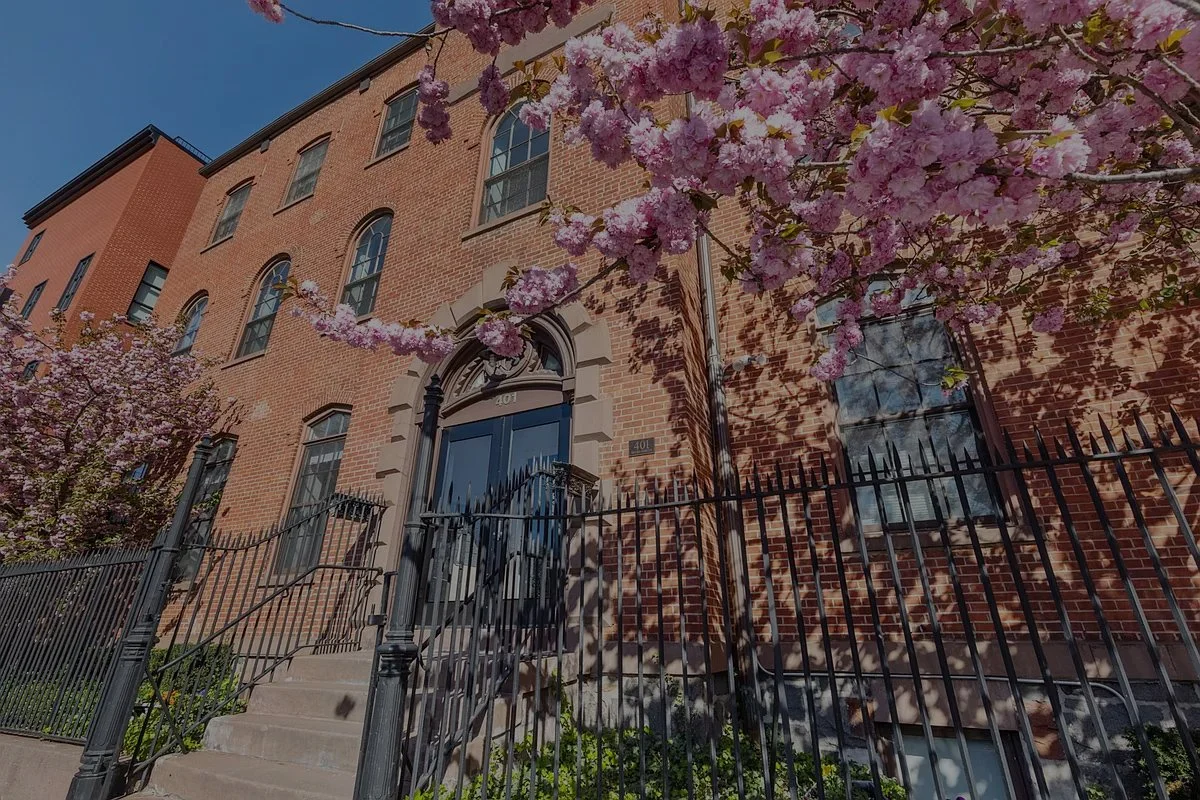
Selling Brooklyn Real Estate
The right price. The right preparation. In a market this specific, both matter.
Selling Real Estate in Brownstone Brooklyn
Selling a home in Brooklyn is not simply about putting it on the market and waiting. The outcome depends on pricing that reflects the specific property on the specific block, preparation that makes the right impression, and representation that does not blink when the process gets complicated.
I have spent 15 years focused on Brownstone Brooklyn, representing sellers across Park Slope, Prospect Heights, Crown Heights, Cobble Hill, Carroll Gardens, Windsor Terrace, Fort Greene, and surrounding neighborhoods. More than $150 million in closed sales. Every transaction teaches you something about what buyers respond to, what they walk away from, and what the difference between a good result and a great one actually looks like.
Pricing: The Decision That Shapes Everything
The most consequential decision in any sale is the price. Set it correctly and a well-prepared property in a strong Brooklyn neighborhood attracts serious buyers, generates competition, and closes at or above ask. Set it wrong and it sits, accumulates days on market, and eventually sells for less than it would have if it had been priced right from the beginning.
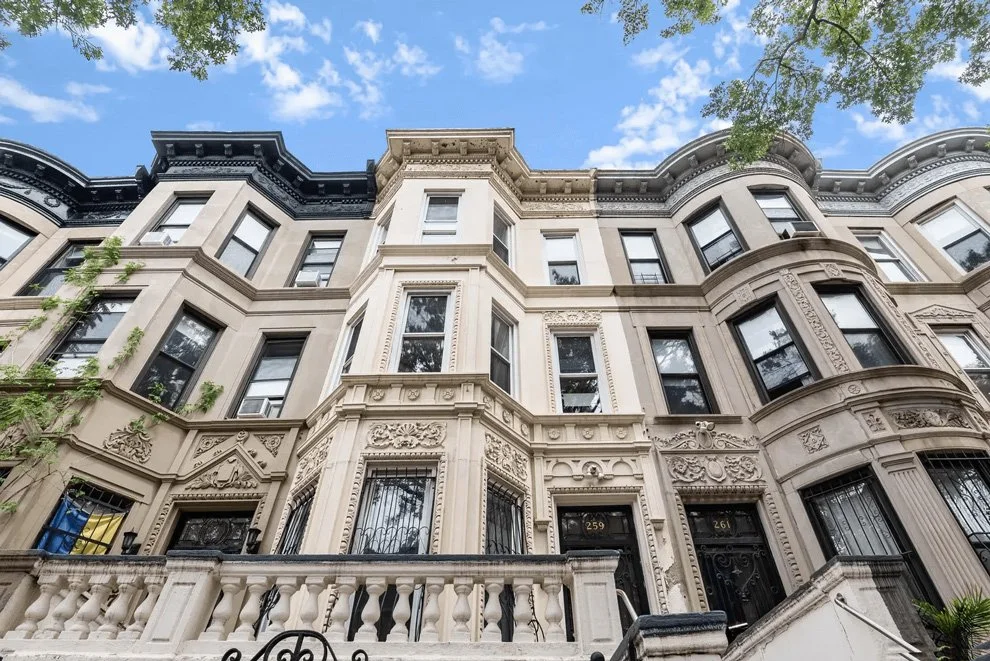
Brooklyn is too specific for broad strokes. The difference between a condo inside the PS 321 school zone in Park Slope and one two blocks outside it is real and measurable. Blocks closest to Prospect Park carry a premium that holds across cycles. A gut-renovated parlor floor duplex and an unrenovated two-family three blocks away are fundamentally different assets, regardless of square footage.
Automated valuations miss all of this. A Crown Heights brownstone owner came to me with a Zillow estimate of $1.75 million. My analysis of the block, the renovation quality, and where buyers were actively competing put the number at $2 million. We listed at $1,950,000, received multiple offers, and closed at $2.2 million. The Zestimate missed by $450,000. That is not unusual in Brooklyn, unfortunately.
Getting to the right number requires going well beyond the public record. It means pulling recent comparable sales and understanding why each one closed where it did, not just what it closed at. It means reading the current inventory, knowing which listings are correctly priced and which are aspirationally priced and have been sitting as a result. It means understanding buyer behavior in this moment in this neighborhood: where the demand is concentrated, what price points are generating multiple offers, and where the market has effectively drawn a line.
From that analysis comes a pricing strategy, not just a number. Sometimes the right strategy is to list at market value and let qualified buyers compete. Sometimes it is to list slightly below a psychological threshold to maximize open house traffic and create urgency. The strategy depends on the property, the building, the block, and the moment.
A seller who understands their pricing strategy, not just their list price, is a seller who can navigate the process without second-guessing every decision. When an offer comes in below ask, they understand whether it reflects a problem with the price or a buyer testing their position. When days on market accumulate, they know whether the data supports holding or whether something needs to change. That clarity is the difference between a sale that achieves its potential and one that concedes it.
Preparation: What Moves the Needle
Not every property needs the same preparation before it goes to market. Some need work. Some need editing: decluttering, repainting, fixing the thing you stopped noticing two years ago. Some need nothing. The goal is return on effort and expense, not renovation for its own sake.
What every property needs is photography that shows it honestly and well. Buyers form their first impression from the listing before they ever step inside. Dark photos of an empty apartment do not sell properties in any market. A Park Slope two-bedroom condo sat for nine months with another broker, dark photos and an empty room. New photography, virtual staging, and a cleaner floor plan. Same price. Closed at full asking within eleven weeks.
The right preparation is the one that gets buyers through the door and removes the friction that would otherwise give them a reason to move on.
Local Knowledge: What the Data Cannot Show
Public market data tells you what sold and for how much. It does not tell you why a specific building trades at a discount, which blocks carry a premium no algorithm has noticed, or how buyers are actually behaving in this moment in this neighborhood.
That kind of knowledge comes from 15 years of transactions on the same blocks, in the same buildings, with the same attorneys and managing agents. It shapes how I evaluate a property before it goes to market, how I price it, and how I advise when an offer comes in that needs to be read carefully rather than accepted reflexively.
From Listing to Closing
An accepted offer is not the end of the work. What follows requires coordination across attorneys, managing agents, inspectors, appraisers, and in co-op transactions, a board that will review the buyer's application and make its own decision on its own timeline.
I manage the details, keep the parties moving, and communicate clearly at every stage so sellers know what is happening and why. A deal that starts well can unravel if it is not actively managed. Most of the transactions I have seen go sideways did so not because of price or buyer quality but because no one was watching the process closely enough.
Ready to Find Out What Your Home Is Worth?
A complimentary valuation covers recent comparable sales, current inventory, and a specific pricing recommendation for your property. No broad averages, no round numbers.

Let’s Connect
If you are thinking about selling in Brooklyn, I am glad to talk through what the process actually looks like for your specific property: your block, your building, your timeline.