

Buying Brooklyn Real Estate
The market rewards preparation. Here is what that actually means.
Buying Real Estate in Brownstone Brooklyn
Buying a home in Brooklyn is not complicated. It is specific. Inventory is limited, pricing varies block by block, and the gap between a buyer who is ready to move and one who still has things to sort out is often the difference between getting the property and watching someone else get it.
I have spent 15 years focused on Brownstone Brooklyn, representing buyers across Park Slope, Prospect Heights, Crown Heights, Cobble Hill, Carroll Gardens, Windsor Terrace, Fort Greene, and surrounding neighborhoods. More than $150 million in closed sales. Every transaction in this market teaches you something the previous one did not. That accumulation is what I bring to every search.
What Buying in Brooklyn Actually Requires
The process between deciding to buy and closing on a property has more moving parts than it looks like from the outside. Most buyers who lose the properties they want do not lose them because they were outbid on price. They lose them because something was not in place when it needed to be.
Being prepared means: financing in order before you start looking seriously. A real estate attorney who has done Brooklyn transactions and knows how to move. An inspector who can turn around quickly when you need one. For co-op purchases, financial documents ready to present to a board that will read them carefully. None of this is complicated. All of it matters.
The buyers who close on the right properties at the right prices are almost always the ones who had done the work before the property appeared, not after.
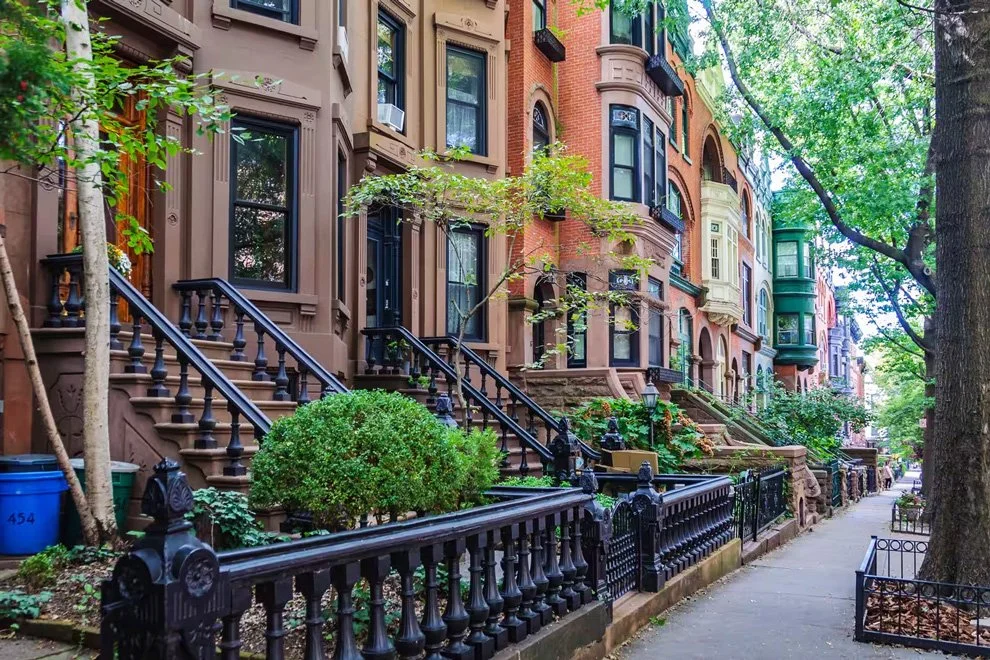
Co-ops, Condos, and Townhouses
Brooklyn's housing stock is more varied than any other part of New York, and understanding what you are actually buying matters as much as finding the right property.
Co-ops make up a significant share of Brooklyn inventory. When you buy a co-op, you are purchasing shares in a corporation that owns the building, not the unit itself. That distinction carries real consequences: board approval is required, monthly maintenance fees vary widely by building and directly affect what you can afford, and subletting and renovation are often restricted. Co-op boards each have their own culture, financial requirements, and approval process. Some are efficient and straightforward. Some are neither. Knowing the difference before you make an offer is part of the job.
Condos offer more flexibility. No board approval, cleaner financing, easier resale. They trade at a premium over comparable co-ops as a result, but for many buyers the tradeoff is worth it.
Townhouses occupy their own category. Two-family income properties that offset carrying costs. Single-family restorations that have been in one family for decades. Properties that require a different kind of analysis than apartments. The math is different, the due diligence is different, and the buyer pool is different.
Knowing which type of property fits your situation, your finances, and your long-term goals is where the search begins. Not with a Zillow scroll.
What Local Knowledge Is Actually Worth
Public listings tell you the address, the price, and the photographs. They do not tell you that the building has had three managing agents in four years, or that the block carries a premium no algorithm has priced in, or that the layout photographs well but lives poorly, or that the co-op board is in the middle of a capital assessment.
That kind of knowledge comes from 15 years of transactions in the same buildings, on the same blocks, with the same attorneys and managing agents. It shapes how I evaluate every property before a client ever sees it, and it shapes the advice I give when it matters most: at the offer stage, during due diligence, and in the moments when something unexpected comes up.
I work with a small number of buyers at any given time. That focus is deliberate. A search that gets real attention produces different results than one that does not.
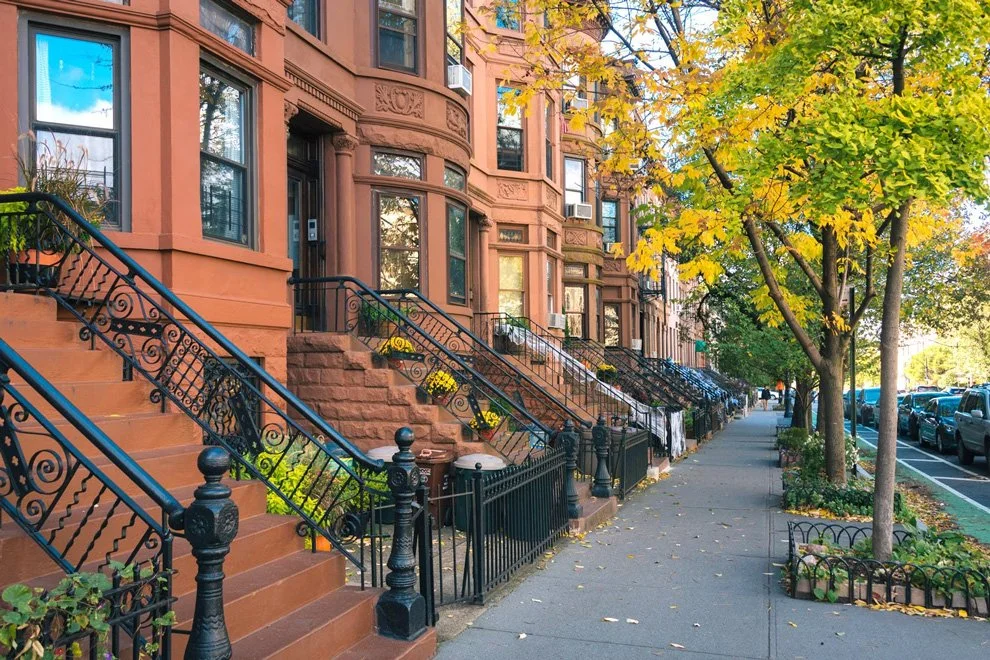
From Offer to Closing
An accepted offer is the beginning of the transaction, not the end of the work. What follows requires coordination across attorneys, mortgage brokers, building managing agents, inspectors, and co-op boards. Timelines matter. Delays compound. A deal that starts well can fall apart if it is not actively managed.
I handle the details, coordinate the parties, and keep the process moving so clients can make decisions from a position of clarity rather than anxiety. For first-time buyers or anyone coming from outside New York, I have walked through the process hundreds of times and can explain every step without condescension.
A typical condo or townhouse purchase takes 60 to 90 days from accepted offer to closing. A co-op takes 90 to 120 days due to the board approval process. Knowing that timeline, and what drives it, helps buyers plan.
New to Buying in Brooklyn?
I put together a practical guide covering co-ops and condos, the board approval process, closing costs, offer strategy, and what to expect between contract and closing.
Work With Craig
If you are thinking about buying in Brooklyn, I am glad to talk through what the process actually looks like for your specific situation: your price point, your timeline, and the neighborhoods that make sense for you.
