
What to Know Before Buying in Brooklyn: 12 Things That Actually Matter

A Practical Guide for Brooklyn Buyers
Brooklyn is one of the most rewarding places to buy real estate and one of the most complicated. The neighborhoods are genuinely distinct, the property types come with their own rules and trade-offs, and the process moves faster than most buyers expect. Here is what I tell every buyer before we start.
1. Know the neighborhoods before you fall in love with a listing
Brooklyn's neighborhoods are not interchangeable, and the differences go beyond price. Park Slope and Carroll Gardens are family-oriented, walkable, and deeply established. Prospect Heights has strong cultural institutions and some of the best block-by-block value in the borough. Crown Heights has appreciated significantly over the past decade and still has room. Williamsburg and Greenpoint skew younger with more condo inventory. Cobble Hill and Boerum Hill are quieter and tend to command a premium.
The mistake most buyers make is searching by price and commute without understanding what each neighborhood actually feels like day to day. Spend time in the neighborhoods you are considering before you start making offers.
2. Understand what you are actually buying
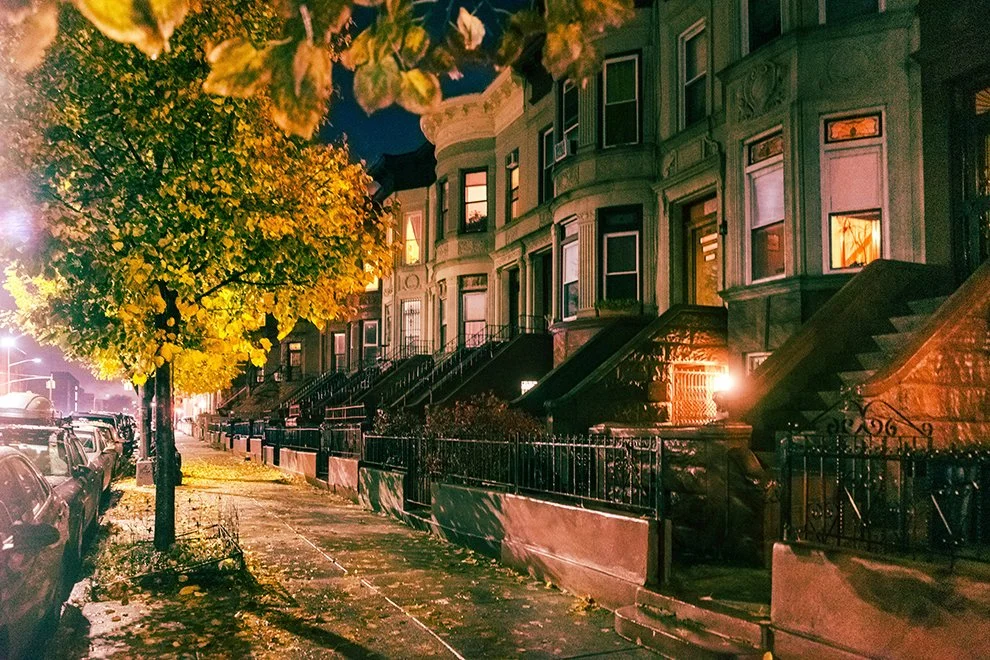
Brooklyn has three main property types and they are not the same thing. Condos give you real property ownership, more flexibility with financing, and generally fewer restrictions on renting or subletting. Co-ops are technically a share purchase in a corporation, come with board approval requirements, and typically restrict subletting and financing options. Brownstones and townhouses offer the most space and the most character, but also the most maintenance responsibility.
Each type has real trade-offs. Co-ops are often priced lower per square foot than comparable condos, but the approval process and ongoing restrictions are real factors to weigh. I spend time with every buyer making sure they understand the differences before we start searching.
3. Get pre-approved before you look seriously
In Brooklyn's market, showing up to see a well-priced apartment without a pre-approval letter is a waste of everyone's time, including yours. Sellers move quickly and so do listing agents. If you find something you want, you need to be ready to move. Get pre-approved with a lender who understands New York City co-op and condo financing specifically, not just a national lender who has never done a board package.

4. Budget beyond the purchase price
The sticker price is not the full picture. Closing costs in New York typically run between two and four percent of the purchase price for buyers. Co-ops have monthly maintenance fees that cover your share of the building's operating costs and property taxes. Condos have common charges and a separate property tax line. For townhouses and brownstones, budget for ongoing maintenance and capital improvements. These costs vary significantly and need to factor into your calculation of what you can actually afford.
5. Understand the market you are buying into
Brooklyn does not move as a single market. A well-priced two-bedroom in Park Slope can attract multiple offers in days. A similar unit in a less established neighborhood might sit for weeks. Understanding the pace and dynamics of the specific market you are buying in is essential to making smart decisions about when to move quickly and when to take your time. This is one of the most important things a good buyer's agent brings to the table.
6. Work with someone who knows the market cold
The value of a buyer's agent in New York is real and I wrote a full post about it. The short version: the listing agent works for the seller, not you. A buyer's agent provides market data, manages the process, and advocates for your interests from offer to closing. In most purchase transactions, the seller pays the buyer's agent commission, which means in the majority of cases representation costs you nothing.
7. Hire a real estate attorney early
New York is an attorney state, which means you need a lawyer to review and negotiate the contract of sale. This is not optional and is not something to leave until the last minute. A good real estate attorney who knows New York City transactions is worth every dollar. Ask your agent for a referral if you do not have one.
8. Take property inspections seriously
Brooklyn has a lot of older housing stock. Pre-war co-ops, brownstones, and converted multifamilies all come with histories that are not always visible at a showing. A thorough inspection can surface issues with plumbing, electrical systems, structural elements, and roof condition that will significantly affect your cost of ownership. Never waive an inspection to win a deal unless you are prepared for whatever you might find.
9. Know your property tax situation
Property taxes in Brooklyn vary meaningfully by property type and building. Co-op shareholders pay taxes through their monthly maintenance. Condo owners pay separately and rates can vary significantly depending on the building's tax abatement status. Some buildings have 421-a or J-51 abatements that temporarily reduce taxes, and understanding when those expire matters. A building with a favorable tax abatement expiring in two years is a different financial proposition than it appears.

10. Think carefully about schools
If schools are a factor in your decision, do your research before you fall in love with a property. School district lines in Brooklyn can be surprisingly granular — two buildings on the same block can feed into different schools. InsideSchools is the best resource for navigating New York City public schools and I recommend it to every family buyer. Private school options also vary considerably by neighborhood.
11. Think about transportation honestly
Brooklyn's subway coverage is uneven. Some of the borough's most desirable neighborhoods have excellent access. Others require more planning. Think about where you actually need to get to regularly and how that works from the neighborhoods you are considering. A fifteen-minute walk to the subway feels different at 7am in February than it does on a sunny weekend afternoon.
12. Think long term about the investment
Real estate in Brooklyn has been a strong long-term investment for most people who bought and held. That said, not every building and not every block appreciates at the same rate. When evaluating a purchase, think about building financials, the neighborhood's trajectory, and the condition of the property itself. A well-priced apartment in a building with healthy reserves and low maintenance is a different investment than a cheaper unit in a building with deferred maintenance and rising fees.
Buying in Brooklyn is genuinely exciting when the process is well managed. The market rewards buyers who are prepared, move with conviction when the right property appears, and have the right team around them.
Ready to Buy in Brooklyn?
Buying in Brooklyn is one of the most significant financial decisions you will make. I work with buyers in neighborhoods I know well and I am happy to walk you through the process with no pressure and no obligation.
