

NYC Real Estate Market Reports
Brooklyn Monthly Report
January 2026
January 2026 at a Glance
This Brooklyn condo and co-op market update covers January 2026 contract activity, pricing trends, inventory, and negotiability. The data reflects signed contracts during the month and offers insight into buyer demand by neighborhood, price range, and product type.
Brooklyn Market Snapshot | January 2026
Total contracts signed: 203 Year-over-year change: down 34% Month-over-month change: down 12% Average days on market: 107 (down from 113 last year)
Brooklyn contract activity declined year over year in January 2026, marking the eighth month of the past twelve with a decrease. The decline was measured against the busiest January since 2022, and contracts signed were approximately 20% below the five-year average, indicating a slower but more deliberate start to the year.
Contracts Signed by Price Range
Under $1M: 106 (down 43% year over year) $1M to $1.5M: 48 (down 8% year over year) $1.5M to $2M: 15 (down 35% year over year) $2M to $3M: 20 (down 41% year over year) Over $3M: 14 (flat year over year)
The over $3M segment was the only price category without an annual decline. Contracts under $1M experienced the steepest drop, falling 43% year over year.
Condo vs. Co-op Activity
Condominium contracts declined year over year as inventory constraints continued to limit supply. Co-op activity dropped more sharply due to fewer signed contracts in South Brooklyn, despite co-op listings increasing year over year. This divergence highlights the continued imbalance between demand and available condo inventory, particularly in core neighborhoods.
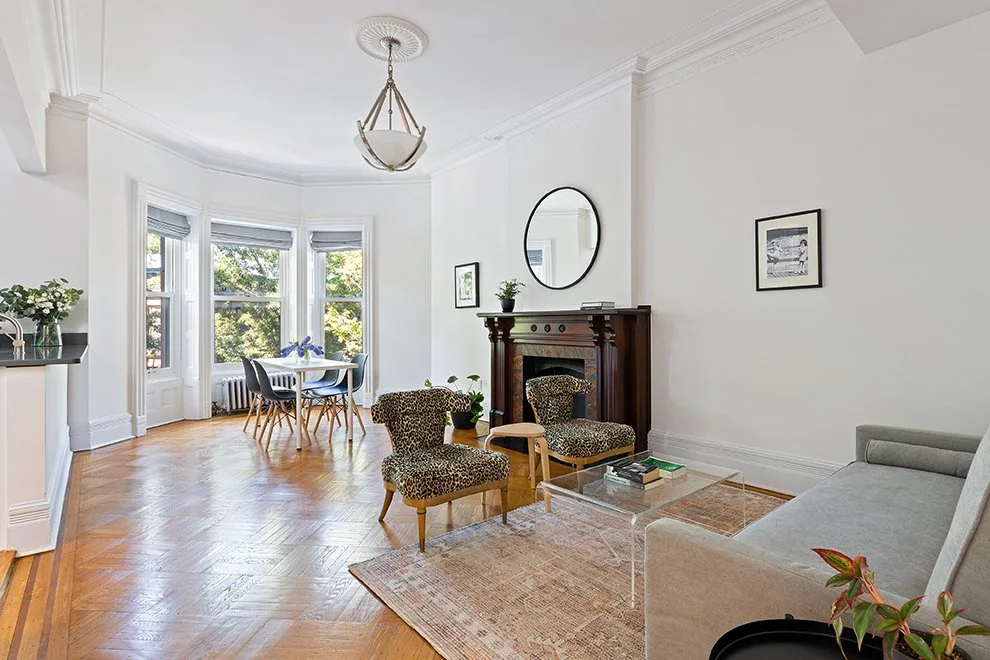
Brooklyn Contract Activity by Neighborhood
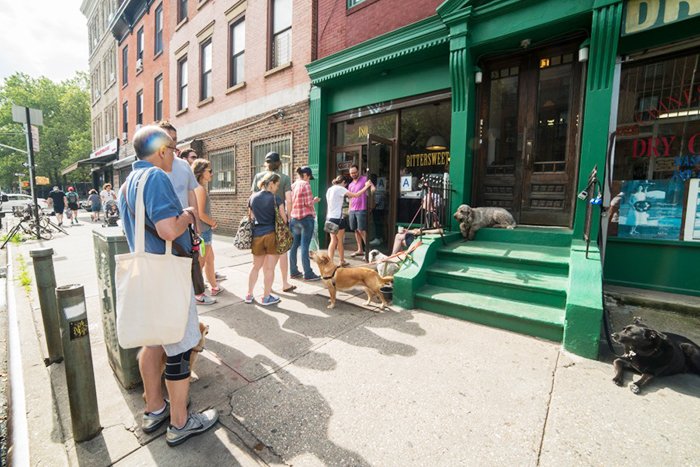
Park Slope & Gowanus
Contracts signed: 23
Year-over-year change: −21%
Contract volume softened year over year, though demand remained steady for well-located apartments.
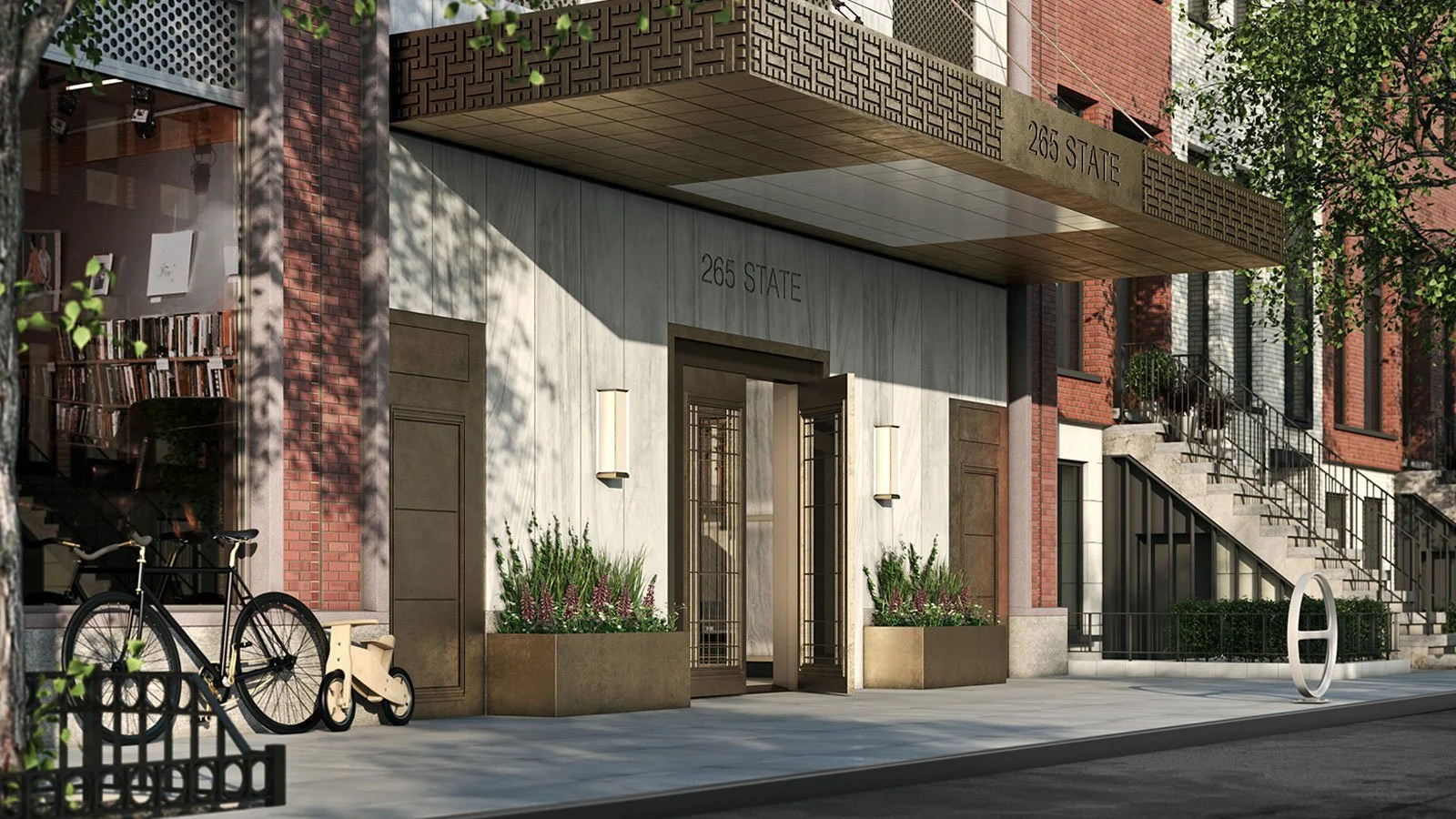
Fort Greene, Clinton Hill & Prospect Heights
Contracts signed: 18
Year-over-year change: −14%
Moderate decline in activity, consistent with borough-wide trends.
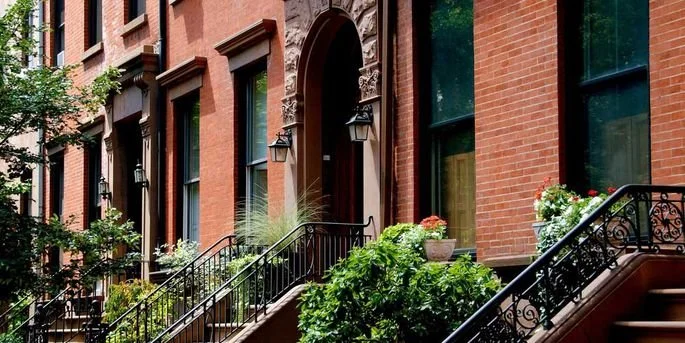
Carroll Gardens, Boerum Hill & Red Hook
Contracts signed: 9
Year-over-year change: −18%
Lower volume reflects both seasonal slowdown and limited inventory.
Brooklyn Heights, Cobble Hill, Dumbo & Downtown
Contracts signed: 18
Year-over-year change: −44%
A significant annual decline, influenced by limited new listings and higher price points.
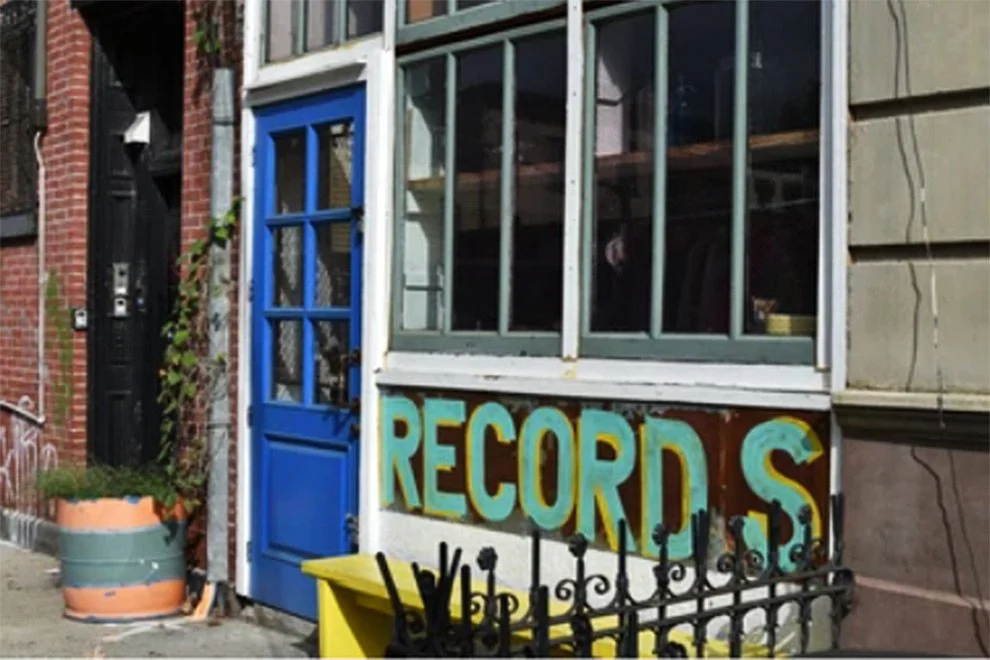
Bedford-Stuyvesant, Crown Heights, Prospect-Lefferts Gardens & Bushwick
Contracts signed: 38
Year-over-year change: +23%
One of the only submarkets to post year-over-year growth, driven by relative affordability and broader buyer appeal.

Williamsburg & Greenpoint
Contracts signed: 40
Year-over-year change: −15%
Activity declined modestly, reflecting ongoing supply constraints in newer condo inventory.
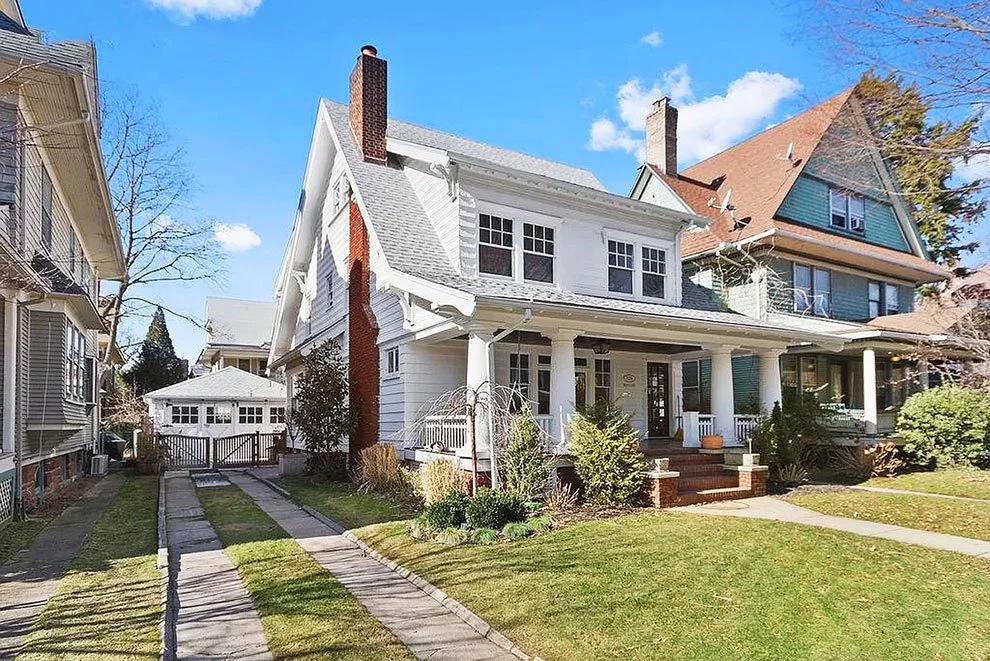
Kensington, Windsor Terrace, Ditmas Park, Flatbush & Prospect Park South
Contracts signed: 17
Year-over-year change: −50%
A sharp decline following unusually strong activity last January.

Southern Brooklyn
Contracts signed: 17
Year-over-year change: −50%
A sharp decline following unusually strong activity last January.
Inventory, Pricing, and Negotiability
Active listings: 1,499 (up 6% year over year, flat versus December 2025)
Inventory growth was driven entirely by a 23% increase in co-op listings, while condo inventory declined for the seventh consecutive month.
Average price per square foot: $1,250 (up 15% year over year, up 4% month over month) Condo price per sq ft: $1,378 (up 10% year over year) Co-op price per sq ft: $584 (up 4% year over year)
Overall negotiability averaged 0.7% below ask, compared to 0.4% above ask last year. Condo negotiability remained slightly below ask, while co-ops averaged 1.2% below ask, skewed by a single deeply discounted sale.
Reading the Market
January's numbers look soft at first glance, but context matters. The year-over-year decline was measured against the busiest January since 2022, and the drop in contract volume was concentrated in entry-level price points and more peripheral neighborhoods. The luxury segment held firm. Days on market fell. Pricing continued to strengthen.
The pattern that keeps emerging across Brooklyn is consistent: correctly priced, well-presented properties are finding buyers. The slowdown is not evenly distributed, and the neighborhoods I work in most closely continue to demonstrate real demand. If you are thinking about selling and wondering how January's data affects your timing, I am happy to give you a straight read on it.

Thinking of Selling This Year?
I can give you a clear, honest read on what your property is worth today and what a realistic sale looks like in the current market.