
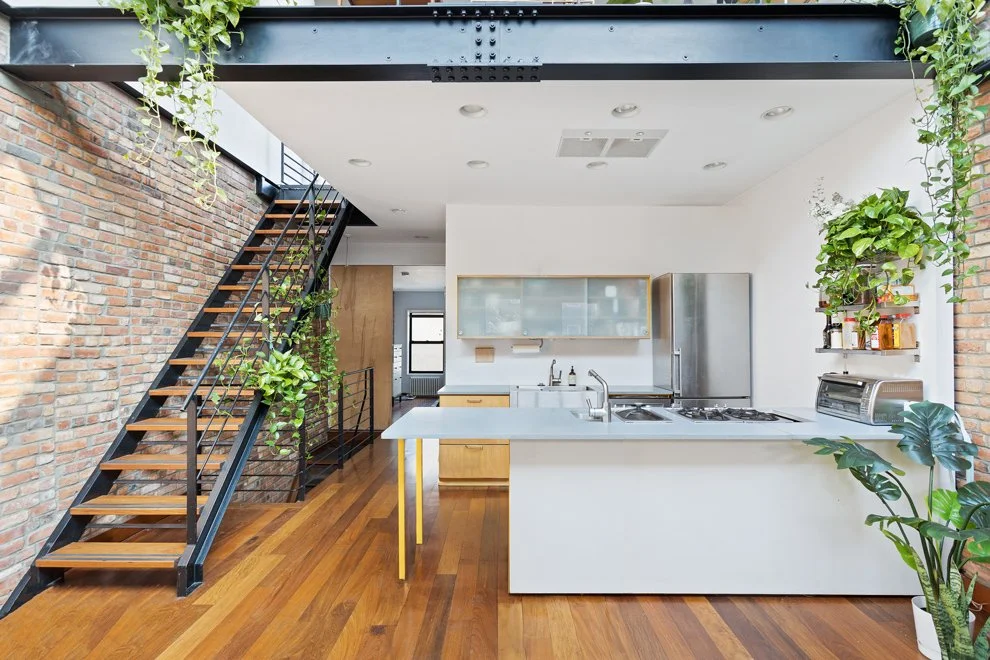
What the Process Looks Like, From Pricing to Closing
Park Slope is one of the most consistently in-demand condo markets in Brooklyn. Buyers know the neighborhood, they've done their research, and when the right unit comes to market at the right price, it moves. The operative phrase is "the right price." Getting that number correct from day one is the difference between a smooth, profitable sale and one that drags on longer than it should.
Here is how I think about selling a Park Slope condo, and what fifteen years of doing it has taught me.
Price it correctly from day one
Overpricing is the most common and most costly mistake Park Slope condo sellers make. It's understandable. You've owned the apartment for years, put money into it, and have a number in mind. But pricing too high creates a problem that's very difficult to recover from.
Buyers in this market are informed. They're tracking the neighborhood, they've seen the comps, and they notice when a listing sits. Once a condo accumulates days on market it starts to feel like something is wrong with it, even when nothing is. You end up reducing the price anyway, often to below what a correct opening price would have achieved on day one, with weeks of carrying costs and lost momentum added in.
Good pricing requires a genuine analysis of recent comparable sales in the immediate area, weighted by floor, condition, light, layout, and building. It also requires understanding where the current buyer pool is drawing the line. No algorithm can tell you that. It comes from being in the market every day.
One more thing worth saying directly: be skeptical of any broker who tells you your apartment is worth significantly more than the comparable data supports. Some brokers inflate valuations to win listings, fully expecting to manage price reductions later. It is a real practice and it costs sellers real money. The data is not a negotiating position. It is what buyers are actually paying.
Prepare the apartment thoughtfully
You don't need to renovate before selling. You do need to present the apartment in a way that lets buyers see it clearly, without distraction. That means decluttering, touching up paint, addressing anything that looks obviously deferred, and making sure the space is clean and well-lit for photography.
The things that move buyers in Park Slope are natural light, layout, and condition. If the apartment has good light, make sure it shows. If the layout is strong, don't let furniture obscure it. If the kitchen and bathrooms are dated but functional, that's fine. If they're dated and showing signs of neglect, that's worth addressing before you list.
I walk through every apartment I list before we go to market and make specific recommendations. Some of them cost nothing. A few might require a few hundred dollars. The thoughtful ones almost always pay for themselves many times over.
Market it like it matters
Professional photography is not optional. Buyers are doing most of their initial filtering online, and the photos determine whether someone schedules a showing. A well-photographed apartment in Park Slope will generate significantly more interest than the same apartment with dim, poorly composed images. More interest means more leverage when offers come in.
The listing description matters too. The specific details about the building, the block, the light, the layout, and what makes this unit worth its price are what differentiate a listing from a commodity. Vague descriptions that could apply to any apartment on any block are a missed opportunity, and buyers notice.
As part of the Corcoran Park Slope office, I have access to a broad reach across the platforms and networks where serious buyers are looking, including StreetEasy, the Corcoran site, and direct outreach to agents with active buyer clients in the neighborhood.
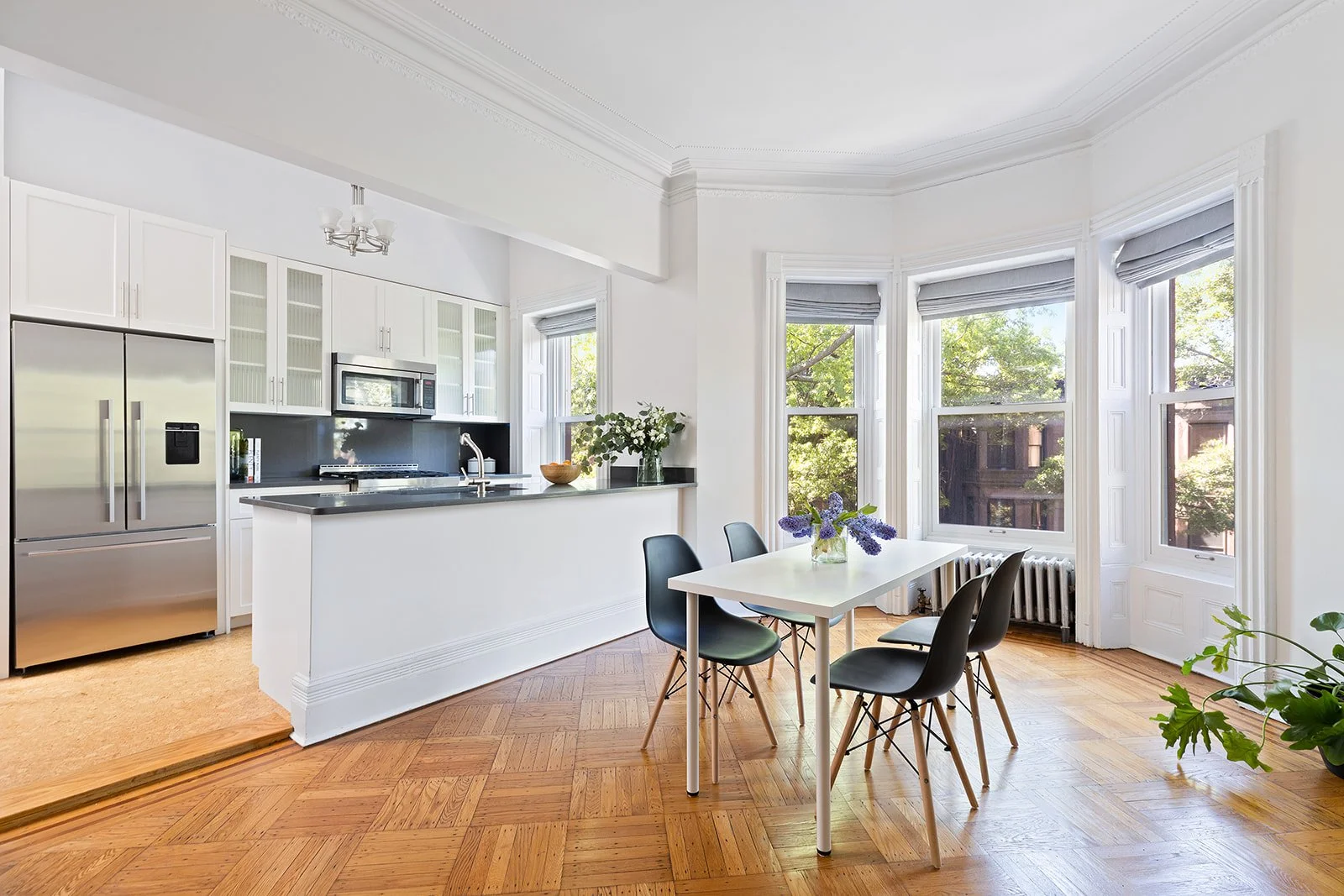
What selling actually costs
Sellers in New York are often surprised by the closing costs involved. Here is a clear summary of what to budget for when selling a Park Slope condo.
Agent commission is typically 5 to 6% of the sale price, split between the listing agent and the buyer's agent.
New York State transfer tax is 0.4% for properties under $3 million and 0.65% at or above $3 million. The higher rate applies to the entire sale price, not just the amount above the threshold. There is a meaningful cliff at that number worth understanding before you price.
New York City transfer tax is 1% for properties under $500,000 and 1.425% at or above $500,000. Both transfer taxes are paid by the seller.
Attorney fees typically run between $2,500 and $4,000 depending on the complexity of the transaction.
Flip tax, if your building has one, varies significantly. Some are a flat fee per share, others are a percentage of the sale price or profit. Check your building's offering plan or contact your managing agent early in the process so there are no surprises at the closing table.
Move-out fees and other building charges vary by building and are worth confirming before you list.
One cost to understand on the buyer's side: the mansion tax applies to purchases of $1 million or more and is paid by the buyer, not the seller. For Park Slope condos priced near that threshold, buyers factor it into their total cost, which can affect negotiations. Knowing it exists matters even when you're the seller.
The contract and closing process
Once you have an accepted offer, the process moves into the contract phase. Your attorney and the buyer's attorney negotiate and finalize the contract of sale, which typically takes one to two weeks. After the contract is signed and the deposit is received, the deal moves toward closing. For condos, this is generally more straightforward than for co-ops since there is no board approval required.
Between contract and closing, the buyer conducts a final walkthrough, outstanding building documents are gathered, and both sides coordinate on a closing date. My job through all of this is to stay on top of the timeline, keep communication clear on both sides, and make sure nothing falls through between offer and close.
A note on timing
Park Slope has real demand year-round, but spring tends to be the strongest season. Launching in March, April, or May typically gives you the best pool of active buyers. Summer slows, particularly July and August. Fall is a solid secondary market. Winter is the quietest but not dead, and for a well-priced, well-prepared apartment the seasonal difference is less significant than most sellers assume.
Selling Your Park Slope Condo?
If you want an honest read on what your apartment is worth and what it would take to sell it well, I'm happy to start that conversation.
