Should I Sell My Brooklyn Home Now or Wait?

This is the first in a series of posts looking at selling conditions across Brownstone Brooklyn's key neighborhoods. Each post will focus on a specific group of neighborhoods with their own market dynamics, pricing trends, and buyer demand. This one covers Park Slope, Prospect Heights, and Windsor Terrace. If you own property in one of these three neighborhoods and have been wondering whether now is the right time to sell, here is a look at what the data is actually showing right now.
The answer depends on your property, your plans, and your circumstances. But after 15 years working in these neighborhoods, I can tell you that the data from the past two quarters tells a more favorable story than broad Brooklyn headlines might suggest. Here is what I am actually seeing.
Park Slope
In Q1 2026, Park Slope posted a median sale price of $1.45 million, with average price per square foot rising 14% year over year to $1,453, the strongest price appreciation of any Brooklyn submarket. Inventory fell 22% compared to a year ago, the largest decline in the borough, leaving just 78 active listings. Average days on market was 64 days, the fastest pace in all of Brooklyn.
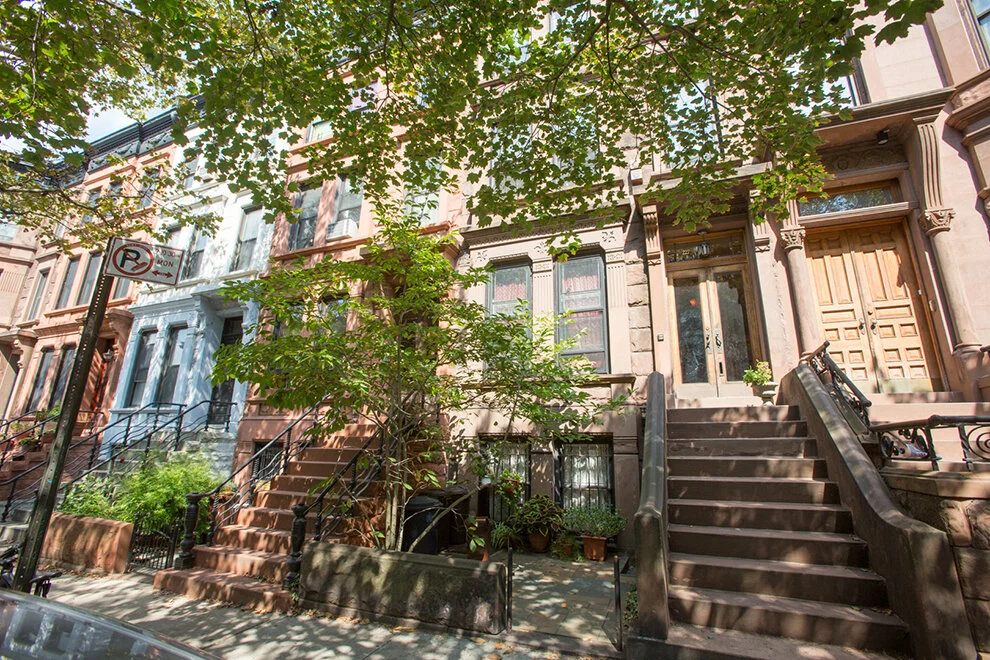
For brownstone and townhouse owners specifically, Q4 2025 data adds important context. The median price for single-family townhouses in Park Slope was $4.6 million, with multi-family townhouses at $3.0 million. Overall sales volume in Park Slope surged 60% year over year in Q4 2025, driven by gains across all product types.
What I see on the ground matches what the data shows. Park Slope is one of the few Brooklyn neighborhoods right now where a correctly priced property can still generate genuine competition among buyers. The inventory is tight, the buyers are prepared, and well-positioned listings are not sitting. This is not a market where sellers need to be apologetic about their price expectations, provided the pricing is grounded in reality from day one.
Prospect Heights
Grouped with Fort Greene and Clinton Hill in Corcoran's market reporting, this submarket posted the strongest price appreciation anywhere in Brooklyn in Q1 2026, with median price rising 29% year over year to $1.233 million. Days on market averaged just 48 days, the shortest of any Brooklyn neighborhood by a significant margin.
A 29% year over year increase in median price is not a rounding error. It reflects sustained, compressing demand in a neighborhood with limited supply and a buyer pool that has been waiting. For a seller, that means entering a market where buyers are motivated and the competition for available inventory is real. In my experience, Prospect Heights consistently attracts buyers who have done their research and know what they want. When the right property comes to market at the right price, it moves.
Windsor Terrace
Windsor Terrace is often underestimated, and that underestimation tends to work in sellers' favor. Low turnover means that when a well-maintained property comes to market, buyers who have been waiting take notice quickly. Q4 2025 data showed average price per square foot jumping 22% year over year in this submarket, with days on market declining 20% to just 64 days, the second-shortest marketing time in Brooklyn at that time. Q1 2026 continued the trend, with median prices up 7% year over year and average price per square foot up another 10%.
Windsor Terrace buyers tend to be deeply committed to the neighborhood. They are not cross-shopping with Park Slope or Prospect Heights. When they find the right property, they move quickly and they pay for quality. That combination of focused demand and thin inventory is exactly what creates favorable conditions for a prepared seller.
What the Bidding War Data Shows
22.5% of all Brooklyn sales involved bidding wars during Q4 2025, with buyers paying an average premium of 6% above asking price. Looking at the ask-versus-sale data through the end of 2025, roughly 20 to 25% of Brooklyn sales are transacting at or above asking price on a consistent basis.
This does not mean every listing attracts multiple offers. In my experience, the listings that generate competition share a few common traits: they are priced accurately from the first day, they show well, and they hit the market with a clear sense of purpose. The listings that sit are almost always the ones that opened too high, needed work that was not addressed, or both. The data confirms what I see regularly: overpriced listings accumulate days on market and eventually sell for less than they would have at a correct opening price.
A Note on the Q1 Numbers
If you have been reading market coverage and feeling uncertain, it is worth understanding why Q1 2026 looked as soft as it did at the borough level. We can reasonably attribute the sharp decline to unusually cold weather and record snowfall, and see it as a likely temporary blip that will be offset in the coming months. Seasonal weakness in January and February is normal. The spring market is historically the strongest period for Brooklyn real estate, and sellers who waited out the winter are now entering at a favorable time.
When Waiting Makes Sense
I would rather tell you this now than after you have listed.
If your property needs meaningful work before it is ready to show, rushing to market is almost always a mistake. In neighborhoods where buyers are selective and inventory is limited, a home that shows poorly relative to its neighbors will underperform significantly. Taking three to six months to prepare properly is almost always worth it.
If you do not have a clear plan for what comes next, selling without a destination creates its own pressure and cost. Whether you are upsizing, downsizing, or relocating, knowing where you are going is an important part of making the timing work in your favor.
And if you own a multi-family property investment property, the economics involve some additional considerations worth talking through. The FARE Act and recent regulatory changes affect how landlords think about timing differently than owner-occupants.
What Determines the Outcome
The sellers I see doing best right now are not the ones who timed the market perfectly. They are the ones who prepared their property thoughtfully, priced it correctly from day one, and worked with someone who understood their specific block, building, and buyer pool.
The gap between a Park Slope condo that sells in six weeks at asking and one that sits for four months and requires reductions is rarely the market. It is almost always preparation, pricing, and strategy.
Let's Talk About Your Property Specifically
The data I have cited here focuses on Park Slope, Prospect Heights, and Windsor Terrace, but the same framework applies across all of Brownstone Brooklyn. Cobble Hill, Crown Heights, Carroll Gardens, Fort Greene, and the surrounding neighborhoods each have their own inventory dynamics, price trends, and buyer pools, and each deserves a specific conversation rather than a borough-wide generalization.
If you are wondering whether now makes sense for your property, I am happy to give you a candid read on what it is worth today, what a realistic sale looks like in the current market, and whether any preparation would meaningfully change the outcome.
I am a Brooklyn real estate agent at Corcoran with 15 years of experience in Brownstone Brooklyn and $150M+ in closed sales. More about me.